
07862 653 841
Save up to 30% on services and repairs
From MOTs to repairs and replacements,
we offer the best value car maintenance around.
Simply book online and we'll handle the rest

VR Headsets

Smart Home Devices

Smart Helmets

ABS Wheel Speed Sensor Replacement

What does an ABS wheel speed sensor do?
An ABS wheel speed sensor monitors how fast each wheel is rotating and sends this information to the vehicle’s ECU. The ABS system uses this data to control braking pressure and help prevent the wheels from locking under heavy braking, improving safety and control.
Signs your ABS wheel speed sensor may need replacing
Common warning signs include:
-
ABS warning light illuminated on the dashboard
-
Reduced braking response or longer stopping distances
-
Less stability when driving in wet, icy or slippery conditions
What happens during replacement?
Our technicians will:
-
Carry out diagnostic checks on the ABS system
-
Identify whether the sensor or another ABS component is at fault
-
Replace the faulty ABS sensor if required
-
Re-test the system after fitting
-
Road test the vehicle and inspect braking performance
Air Conditioning Regas

What does an air conditioning regas do?
An air conditioning regas removes old refrigerant from the system and refills it with fresh gas. This helps restore cold air performance and keeps the system working efficiently.
Signs your air conditioning may need regassing
A regas may be needed if:
-
The air from the vents is not as cold as usual
-
The system takes longer to cool the cabin
-
The air conditioning has not been serviced for a long time
Using your air conditioning throughout the year can help keep the system in good condition.
Alternator Replacement

What does an alternator do?
The alternator generates electrical power while the engine is running. It charges the battery and powers the vehicle’s electrical systems.
Signs of alternator failure
Your alternator may be failing if:
-
The battery keeps going flat
-
Headlights appear dim or flicker
-
Warning lights appear on the dashboard
-
The vehicle struggles to start
Automatic Transmission Fluid Flush and Replacement

What does automatic transmission fluid do?
Automatic transmission fluid lubricates, cools and protects internal transmission parts. It also helps transfer power through the gearbox.
Signs your transmission fluid may need changing
Symptoms can include:
-
Grinding or unusual gearbox noises
-
Difficulty selecting gears
-
Gear slipping
-
Delayed or harsh gear changes
-
Jerking when changing from Park to Drive
-
Transmission overheating warning
-
Gearbox or transmission warning lights
Brake Caliper Replacement – Front Driver Side

What does a brake caliper do?
A brake caliper is part of the disc braking system. It holds the brake pads and pistons, pressing the pads against the brake disc to slow the vehicle.
Signs of a faulty brake caliper
Common signs include:
-
Soft or spongy brake pedal
-
Vehicle pulling to one side when braking
-
Brake fluid leak or low brake fluid level
What happens during replacement?
Our technicians will:
-
Inspect the braking system
-
Confirm whether the caliper is faulty
-
Replace the caliper if required
-
Bleed the braking system and top up fluid
-
Road test the vehicle and complete final checks
Brake Fluid Flush

What does brake fluid do?
Brake fluid is a hydraulic fluid that transfers the force from your brake pedal to the braking components, allowing the vehicle to slow down safely.
Signs your brake fluid may need replacing
You may need a brake fluid change if:
-
The ABS warning light comes on
-
The brake pedal feels soft or less responsive
-
Braking performance has reduced
-
There is a chemical smell after repeated hard braking
Brake Light Bulb Replacement

What does a brake light bulb do?
Brake light bulbs illuminate when you press the brake pedal, warning other road users that you are slowing down or stopping.
Signs of a faulty brake light bulb
You may need a replacement if:
-
Brake lights do not illuminate
-
Brake lights appear dim
-
Bulbs respond slowly or intermittently
What happens during replacement?
Our technicians will:
-
Check which brake light bulbs have failed
-
Remove the relevant light cover or access panel
-
Fit the correct replacement bulbs
-
Test the brake lights afterwards
Rear Brake Pad Replacement

What are brake pads?
Brake pads are a vital part of the braking system. They press against the brake discs to slow the vehicle through friction.
Signs your rear brake pads need replacing
You may notice:
-
Grinding or squeaking noises
-
Vehicle vibration when braking
-
Reduced braking efficiency
-
Excessive brake dust or visible pad wear
Car Service
.webp)
What is a car service?
A car service is a routine maintenance check designed to keep your vehicle safe, reliable and running efficiently. We generally recommend servicing your car every 12 months or every 12,000 miles, whichever comes first.
Clutch Kit and Flywheel Replacement

What does a clutch do?
The clutch sits between the engine and gearbox. It allows the engine’s drive to be disconnected from the transmission so you can change gears smoothly.
Signs of clutch or flywheel problems
You may need repair if:
-
Power delivery feels weak or inconsistent
-
Gears are difficult to select
-
There is grinding when changing gear
-
The clutch slips or feels worn
Air Conditioning Compressor Replacement
.webp)
What does an air conditioning compressor do?
The compressor pressurises and circulates refrigerant through the air conditioning system, helping produce cold air inside the cabin.
Signs of compressor failure
Your compressor may be faulty if:
-
The air conditioning does not blow cold air
-
The system is not working as normal
-
Unusual noises are heard when the AC is switched on
Diagnostic Inspection
What is a diagnostic check?
Modern vehicles can store hundreds of fault codes. A diagnostic check uses specialist equipment to read these codes and help identify the cause of dashboard warning lights or running issues.
What happens when a warning light appears?
A warning light tells you there may be a problem, but it does not always show the exact fault. A diagnostic inspection helps narrow down the issue so the correct repair can be recommended.
Engine Coolant Flush and Replacement

What does engine coolant do?
Engine coolant helps regulate engine temperature. It protects the engine from overheating in warm conditions and freezing in cold weather.
Signs your coolant may need replacing
Common signs include:
-
Temperature gauge reading high
-
Frequent overheating
-
Engine warning light illuminated
Exhaust Manifold Replacement

What does an exhaust manifold do?
The exhaust manifold collects gases from the engine cylinders and directs them into the exhaust system.
Signs of a faulty exhaust manifold
Common symptoms include:
-
Loud exhaust noise from the engine area
-
Burning smell from the engine bay
-
Reduced power, acceleration or fuel economy
What happens during replacement?
Our technicians will:
-
Inspect the exhaust manifold
-
Replace it if cracked or damaged
-
Replace gaskets or bolts where needed
-
Check for exhaust leaks
-
Road test the vehicle
Fan Belt Replacement

What does a fan belt do?
A fan belt transfers rotational power between engine components. It may drive items such as the cooling fan, alternator or other accessories depending on the vehicle.
Signs of a worn fan belt
Common signs include:
-
Squeaking or whining when the engine runs
-
Visible cracks, fraying or wear
-
Engine overheating
What happens during replacement?
Our technicians will:
-
Inspect the belt for damage
-
Check pulleys and tensioner
-
Replace the belt if needed
-
Advise on any related repairs
Rear Fog Lamp Bulb Replacement

What does a rear fog lamp do?
Rear fog lamps help drivers behind you see your vehicle in poor visibility. In the UK, vehicles must have a working rear fog lamp.
Signs of a faulty rear fog lamp bulb
Common signs include:
-
Rear fog lamp not working
-
Dim light output
-
Flickering or intermittent operation
What happens during replacement?
Our technicians will:
-
Inspect and test the rear fog lamp
-
Remove the faulty bulb
-
Fit the correct replacement
-
Test the lamp after fitting
Free Battery Health Check

What is included in a battery check?
We visually inspect the battery, terminals and connections for corrosion or damage. We also test how well the battery holds charge and advise whether replacement is needed.
Signs your battery may need replacing
Common symptoms include:
-
Difficulty starting
-
Vehicle fails to start
-
Electrical problems
-
Corrosion around battery terminals
Free Exhaust Check

What is included in an exhaust check?
We inspect the exhaust system, including pipes, silencer, catalytic converter and visible mountings, to check for damage, leaks or corrosion.
Signs your exhaust may need repair
Common signs include:
-
Loud roaring noise
-
Bad fumes
-
Reduced fuel economy
-
Rattling or hissing sounds
-
Holes, cracks or corrosion
Free Steering Check

What is included in a steering check?
We inspect major steering components, check power steering fluid level and condition, and look for issues affecting steering feel or vehicle control.
Signs your steering may need repair
Common signs include:
-
Steering wheel difficult to turn
-
Uneven tyre wear
-
Whining noise from power steering pump
-
Dark or contaminated steering fluid
-
Vehicle pulling or wandering
Free Timing Belt Check

What is included in a timing belt check?
We inspect the timing belt and related components for signs of age, wear or damage. This is especially important on belts that are several years old, as rubber deteriorates over time.
Signs your timing belt may need replacing
Common signs include:
-
Ticking noise from the engine
-
Difficulty starting
-
Rough idle
-
Engine misfires
-
Oil leak or low oil pressure warning
Front Wheel Alignment

What is front wheel alignment?
Wheel alignment, also known as tracking, adjusts the wheel angles so they match the manufacturer’s recommended settings.
Signs of wheel alignment problems
You may need alignment if:
-
Tyres wear unevenly
-
The vehicle pulls to one side
-
Steering feels off-centre
-
You recently hit a kerb or pothole
Fuel Filter Replacement

What does a fuel filter do?
The fuel filter removes dirt and debris from the fuel before it reaches the engine. This helps protect the fuel pump and injectors while supporting fuel efficiency.
Signs of a blocked fuel filter
Common symptoms include:
-
Trouble starting
-
Rough idle
-
Poor fuel economy
-
Reduced performance
What happens during replacement?
Our technicians will:
-
Inspect the fuel system
-
Replace the fuel filter if required
-
Check for leaks
-
Advise if other fuel system parts need attention
-
Road test the vehicle
Fuel Pump Relay Replacement

What does a fuel pump relay do?
The fuel pump relay controls the electrical power supply to the fuel pump. It is often located in the fuse box.
Signs of a faulty fuel pump relay
Common symptoms include:
-
Poor fuel economy
-
Trouble starting
-
Stalling, rough idle or poor acceleration
What happens during replacement?
Our technicians will:
-
Inspect and test the fuel system
-
Locate the relevant relay
-
Replace the relay if faulty
-
Re-test the fuel pump operation
Headlight Bulb Replacement

What do headlight bulbs do?
Headlight bulbs illuminate the road ahead and help other road users see your vehicle. They are essential for safe night driving and poor visibility.
Signs of a faulty headlight bulb
You may need a replacement if:
-
One or both headlights have stopped working
-
The lights are dimmer than normal
-
The headlights flicker or cut in and out
What happens during replacement?
Our technicians will:
-
Test the headlights
-
Remove the faulty bulb
-
Fit the correct replacement bulb
-
Reconnect and test the lights
Indicator Bulb Replacement

What does an indicator bulb do?
Indicator bulbs signal your driving intentions to other road users when turning or changing direction.
Signs of a faulty indicator bulb
Common signs include:
-
Indicator not lighting up
-
Indicator appears dim
-
Intermittent operation
-
Fast flashing on the dashboard
What happens during replacement?
Our technicians will:
-
Inspect and test the indicators
-
Remove the faulty bulb
-
Fit the correct replacement
-
Test the indicators afterwards
Intake Manifold Gasket Replacement

What does an intake manifold gasket do?
The intake manifold gasket seals the intake manifold to the cylinder head, helping prevent air or coolant leaks.
Signs of a faulty intake manifold gasket
Common symptoms include:
-
Engine overheating
-
Fluid leaking from the engine area
-
Rough or uneven engine running
What happens during replacement?
Our technicians will:
-
Inspect the intake manifold and gasket
-
Read fault codes from the ECU
-
Clean intake ports where required
-
Replace the gasket if faulty
-
Road test the vehicle
Lambda Sensor Replacement

What does a lambda sensor do?
A lambda sensor measures oxygen levels in the exhaust gases. This helps the engine control fuel mixture and run efficiently.
Signs of a faulty lambda sensor
Common signs include:
-
Poor engine performance
-
Rough idle
-
Misfiring or cutting out
-
Higher fuel consumption
-
Engine warning light
What happens during replacement?
Our technicians will:
-
Read ECU fault codes
-
Inspect the sensor and wiring
-
Replace the lambda sensor if needed
-
Check related components
-
Road test and make final checks
MOT

What is an MOT?
An MOT is an annual test that checks whether your vehicle meets UK road safety and environmental standards. At Autocare, we aim to make the MOT process simple, clear and hassle-free.
Oil and Oil Filter Change
What do engine oil and oil filters do?
Engine oil lubricates and protects the moving parts inside your engine. The oil filter helps remove contaminants from the oil. Regular oil and filter changes can help extend engine life and improve reliability.
Power Steering Fluid Flush and Replacement

What does power steering fluid do?
Power steering fluid transfers hydraulic pressure through the steering system, making it easier to turn the steering wheel.
Signs your power steering fluid may need changing
Common symptoms include:
-
Steering feels heavy
-
Whining noise from the pump
-
Fluid appears black or brown
Rear Shock Absorber Replacement

What are shock absorbers?
Shock absorbers control the movement of the suspension and help keep the vehicle stable over uneven roads.
Signs of faulty rear shock absorbers
Common symptoms include:
-
Uncomfortable ride
-
Excessive bouncing
-
Oil-like fluid near the wheels
-
Poor handling
Spark Plug Replacement – Petrol Engines

What do spark plugs do?
Spark plugs create the spark that ignites the air and fuel mixture inside a petrol engine. This combustion powers the engine.
Signs of faulty spark plugs
Common symptoms include:
-
Difficulty starting
-
Engine cutting out
-
Rough running
-
Misfires
-
Excessive vibration
Thermostat Replacement

What does a thermostat do?
The thermostat controls coolant flow between the engine and radiator. It helps the engine reach and maintain the correct operating temperature.
Signs of a faulty thermostat
Common symptoms include:
-
Check engine light
-
Temperature warning light
-
High temperature gauge reading
-
Engine overheating
What happens during replacement?
Our technicians will:
-
Read ECU fault codes
-
Inspect the thermostat and cooling system
-
Replace the thermostat if required
-
Refill coolant
-
Run and road test the vehicle
-
Complete final checks
Timing Belt and Water Pump Replacement

What does a timing belt do?
The timing belt keeps the upper and lower parts of the engine moving in sync. It is essential for correct engine operation.
Signs of timing belt problems
Common signs include:
-
Grinding or squeaking from the engine
-
Visible cracking or wear
-
Poor engine running
-
Belt reaching its recommended replacement interval
Trailing Arm Replacement

What does a trailing arm do?
A trailing arm is part of the rear suspension. It allows controlled movement of the axle or wheel assembly while helping keep the vehicle stable.
Signs of a faulty trailing arm
Common symptoms include:
-
Clunking from the rear of the vehicle
-
Vehicle swaying or not tracking straight
-
Uneven rear tyre wear
What happens during replacement?
Our technicians will:
-
Inspect the suspension system
-
Check the trailing arm for damage or wear
-
Replace it if required
-
Check related components
-
Road test the vehicle
Wheel Bearing Replacement
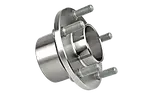
What does a wheel bearing do?
A wheel bearing allows the wheel to rotate smoothly with minimal friction. It connects the wheel assembly to the axle.
Signs of a faulty wheel bearing
Common signs include:
-
Humming, grinding or grating noise from a wheel
-
Noise increasing with speed or when turning
-
Loose steering feel
-
Steering wheel vibration
What happens during replacement?
Our technicians will:
-
Raise the vehicle safely
-
Inspect the affected wheel bearing
-
Replace the faulty bearing if required
-
Refit and torque the wheel correctly
-
Road test the vehicle
Wing Mirror Replacement

What does a wing mirror do?
A wing mirror gives the driver visibility down the side and rear of the vehicle. It is an important safety feature and legal requirement.
Signs your wing mirror may need replacing
Common signs include:
-
Damaged mirror housing
-
Poor rear visibility
-
Electric mirror adjustment not working
-
Driver’s side mirror missing
What happens during replacement?
Our technicians will:
-
Inspect the mirror and casing
-
Test electrical functions where fitted
-
Replace the mirror unit, glass or both if required
-
Test movement and visibility after fitting
Wiper Linkage Replacement
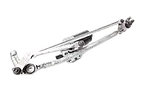
What does a wiper linkage do?
The wiper linkage connects the wiper motor to the wiper arms, allowing the blades to move across the windscreen.
Signs of a faulty wiper linkage
Common symptoms include:
-
Wiper arms stuck in one position
-
Motor can be heard but wipers do not move
-
Only one wiper arm moves
What happens during replacement?
Our technicians will:
-
Inspect the wiper system
-
Diagnose the fault
-
Replace the linkage if required
-
Test the system after repair
-
Make final adjustments if needed
Rear Brake Discs and Pads Replacement

What are brake discs?
Brake discs are metal discs fitted to the wheel hub. When braking, the pads clamp onto the discs to create friction and slow the car.
Signs your rear brake discs or pads need replacing
Common signs include:
-
Screeching or grinding noises
-
Vibration when braking
-
Reduced braking performance
-
Visible disc or pad wear
EGR Valve Replacement

What does an EGR valve do?
The EGR valve controls the flow of exhaust gases back into the engine intake. This helps reduce nitrogen oxide emissions and supports cleaner engine operation.
Signs of EGR valve problems
Common symptoms include:
-
Rough idle
-
Poor performance
-
Hesitation or uneven acceleration
-
Erratic engine behaviour
-
Engine warning light
Air Filter Replacement

What does an air filter do?
The engine air filter cleans the air before it enters the engine. It helps stop dust, leaves, insects and other debris from reaching sensitive engine components.
Signs of a dirty or blocked air filter
You may need a replacement if you notice:
-
Reduced fuel economy
-
Engine misfires or rough running
-
Black smoke or unusual exhaust fumes
What happens during an air filter replacement?
Our technicians will:
-
Inspect the air filter and surrounding engine components
-
Clean or replace the filter where required
-
Check that the new filter is fitted correctly
-
Advise if any related parts need attention
Alternator Belt Replacement and Fitting

What does an alternator belt do?
The alternator belt transfers power from the engine crankshaft to components such as the alternator, power steering pump and air conditioning system.
Signs of a worn alternator belt
Common symptoms include:
-
Squealing or squeaking noises from the engine bay
-
Battery or charging issues
-
Engine struggling to start
-
Heavy steering if the belt drives the power steering pump
What happens during replacement?
Our technicians will:
-
Inspect the belt for cracks, wear or damage
-
Check the pulleys and tensioner
-
Replace the belt if required
-
Check related parts and advise on any further repairs
Anti-Roll Bar Drop Link Replacement

What does an anti-roll bar drop link do?
Drop links connect the anti-roll bar to the suspension. They help reduce body roll and improve stability when cornering.
Signs of a faulty drop link
You may notice:
-
Clunking or rattling over bumps
-
Poor handling when turning
-
A rough or unsettled ride
What happens during replacement?
Our technicians will:
-
Inspect the suspension system
-
Identify any worn or damaged components
-
Replace the faulty drop link where needed
-
Road test the vehicle to confirm the repair
Battery Replacement Without Start/Stop

What does a car battery do?
The battery supplies electrical power to start the vehicle and operate electrical systems. Most car batteries last around 4 to 6 years, depending on usage and condition.
Signs your battery may need replacing
You may need a new battery if:
-
The car struggles to start
-
The engine does not crank when turning the key
-
Electrical systems are weak or unreliable
-
The battery repeatedly goes flat
Front Brake Discs and Pads Replacement
.webp)
What does automatic transmission fluid do?
Automatic transmission fluid lubricates, cools and protects internal transmission parts. It also helps transfer power through the gearbox.
Signs your transmission fluid may need changing
Symptoms can include:
-
Grinding or unusual gearbox noises
-
Difficulty selecting gears
-
Gear slipping
-
Delayed or harsh gear changes
-
Jerking when changing from Park to Drive
-
Transmission overheating warning
-
Gearbox or transmission warning lights
Brake Hose Replacement

What does a brake hose do?
Brake hoses carry hydraulic pressure from the brake lines to the calipers or wheel cylinders. They are essential for safe braking.
Signs of a faulty brake hose
Common symptoms include:
-
Spongy brake pedal
-
Brake fluid leaks
-
Weak or unreliable braking
What happens during replacement?
Our technicians will:
-
Inspect the braking system
-
Replace the damaged brake hose
-
Top up brake fluid
-
Bleed the system
-
Test the brakes and road test the vehicle
Front Brake Pad Replacement
What are brake pads?
Brake pads press against the brake discs when you apply the brakes, creating friction to slow the vehicle down.
Signs your front brake pads need replacing
Common signs include:
-
Squealing or grinding when braking
-
Vibration through the pedal or steering wheel
-
Reduced braking performance
-
Brake pad warning light on some vehicles
Brake Pedal Switch Replacement

What does a brake pedal switch do?
The brake pedal switch activates the brake lights when the pedal is pressed. It also sends a signal to the vehicle’s control system to confirm braking input.
Signs of a faulty brake pedal switch
Common symptoms include:
-
Brake lights not working
-
Brake lights staying on constantly
-
ABS or engine warning light appearing
What happens during replacement?
Our technicians will:
-
Inspect the brake light circuit and switch
-
Replace the switch if faulty
-
Check related components
-
Test the brake lights and system operation
Catalytic Converter Replacement

What does a catalytic converter do?
The catalytic converter is part of the exhaust system. It helps reduce harmful emissions by converting gases such as carbon monoxide, nitrogen oxides and hydrocarbons into less harmful substances.
Signs of catalytic converter failure
Common symptoms include:
-
Darker or heavier exhaust smoke
-
Sulphur or rotten egg smell from the exhaust
-
Loss of power or poor engine performance
What happens during replacement?
Our technicians will:
-
Raise the vehicle safely
-
Allow the exhaust system to cool
-
Inspect and remove the faulty catalytic converter
-
Fit a suitable replacement if required
-
Check the system meets the correct emissions requirements
Coil Spring Replacement

What does a coil spring do?
Coil springs support the weight of the vehicle and help absorb bumps from the road. They also help keep the tyres in contact with the road surface.
Signs of a broken coil spring
Common symptoms include:
-
Vehicle sitting lower on one side
-
Knocking or rattling over bumps
-
Uneven steering or pulling to one side
What happens during replacement?
Our technicians will:
-
Raise the vehicle safely
-
Inspect the suspension and springs
-
Replace the affected coil spring or pair if required
-
Check related suspension parts
-
Road test the vehicle
Crankshaft Pulley Replacement

What does a crankshaft pulley do?
The crankshaft pulley is fitted to the end of the crankshaft and drives belts that power components such as the alternator and air conditioning compressor.
Signs of a faulty crankshaft pulley
Common symptoms include:
-
Engine vibration
-
Charging problems or flickering lights
-
Rough idle
-
Difficulty starting
What happens during replacement?
Our technicians will:
-
Inspect the crankshaft pulley
-
Replace it if damaged or worn
-
Check related components
-
Road test the vehicle after fitting
Driveshaft Replacement

What does a driveshaft do?
The driveshaft transfers power from the engine and gearbox to the wheels, allowing the vehicle to move.
Signs of a faulty driveshaft
You may notice:
-
Scraping, squeaking or rattling underneath the vehicle
-
Strong vibration while driving
-
Shuddering when accelerating from low speed
What happens during replacement?
Our technicians will:
-
Raise the vehicle safely
-
Inspect the driveshaft and related parts
-
Replace the damaged driveshaft if required
-
Check the drive assembly
-
Road test and make final checks
Exhaust Silencer Replacement

What does an exhaust silencer do?
The exhaust silencer, also known as the back box, reduces noise produced by exhaust gases leaving the engine.
Signs of a faulty exhaust silencer
You may need replacement if:
-
The exhaust is louder than usual
-
There is a blowing noise
-
The silencer is damaged, loose or corroded
Front Exhaust Pipe / Downpipe Replacement

What does an exhaust pipe do?
Exhaust pipes carry gases from the engine through the exhaust system, helping route them through the catalytic converter and out of the vehicle.
Signs of exhaust pipe failure
You may notice:
-
Loud exhaust noise
-
Reduced fuel economy
-
Loss of engine power
-
Visible rust, cracks or leaks
What happens during replacement?
Our technicians will:
-
Inspect the exhaust system
-
Replace damaged pipework if required
-
Replace gaskets where needed
-
Check for leaks
-
Road test the vehicle
Front Fog Lamp Bulb Replacement

What does a front fog lamp do?
Front fog lamps improve visibility in poor weather and help other road users see your vehicle in foggy conditions.
Signs of a faulty front fog lamp bulb
You may need a replacement if:
-
One or both fog lamps have stopped working
-
The lights are dim
-
The bulbs flicker or cut in and out
What happens during replacement?
Our technicians will:
-
Test the fog lamps
-
Access and remove the faulty bulb
-
Fit the correct replacement bulb
-
Reconnect and test the lamp
Free Air Conditioning Check

What is included in an air conditioning check?
Our technicians check AC pressure, refrigerant level and signs of leaks. If a regas or repair is needed, we can provide a clear quote before any work is carried out.
How do I know if my air conditioning needs attention?
Common signs include:
-
Air from the vents is not cold
-
The system takes longer to cool the cabin
-
Little or no air is coming through the vents
Free Brakes Check

What is included in a brake check?
Our technicians inspect key braking components including pads, discs and calipers. We then advise whether any parts are worn, damaged or due for replacement.
Signs your brakes may need attention
Common signs include:
-
Squeaking or grinding noises
-
Vehicle pulling to one side under braking
-
Vibration when braking
-
Hard or spongy pedal feel
-
Handbrake slack or difficulty releasing
-
Brake warning light illuminated
Free Fluid Levels Check

What is included in a fluid level check?
We check key fluid reservoirs such as engine oil, brake fluid, coolant and screen wash. We will advise if any fluids need topping up or replacing.
Signs your fluids may be low or contaminated
Common signs include:
-
Burning oil smell
-
Unusual engine noises
-
Weaker performance
-
Overheating
-
ABS or engine warning lights
Free Suspension Check

What is included in a suspension check?
We inspect major suspension components and advise whether any parts are worn, damaged or in need of replacement.
Signs your suspension may need attention
Common symptoms include:
-
Poor handling
-
Rough or bumpy ride
-
Vehicle drifting or pulling
-
Car sitting low or nose-diving
-
Damaged or leaking shock absorbers
Free Tyre Check

What is included in a tyre check?
We visually inspect tyre condition, tread depth and general wear. Where required, we can also check tyre pressures against manufacturer recommendations.
Signs your tyres may need replacing
Common signs include:
-
Low tread depth
-
Vehicle shaking while driving
-
Strange tyre noises
-
Cracks in the rubber
-
Bulges or blisters on the tyre wall
Front Wiper Motor Replacement

What does a front wiper motor do?
The front wiper motor powers the windscreen wiper arms, helping clear rain, dirt, ice and debris from the windscreen.
Signs of a failing wiper motor
Common symptoms include:
-
Wipers stop working
-
Wipers move slower than usual
-
Wipers jerk or move unevenly
What happens during replacement?
Our technicians will:
-
Inspect the front wiper system
-
Diagnose the electrical or mechanical fault
-
Replace the wiper motor if required
-
Check related parts
-
Test the wipers after repair
Fuel Hose Replacement

What does a fuel hose do?
Fuel hoses carry fuel from the tank towards the engine. They are designed to cope with fuel pressure and must remain in good condition for safe operation.
Signs of a faulty fuel hose
Common signs include:
-
Fuel smell in or around the vehicle
-
Visible cracks in the hose
-
Fuel drips or puddles under the car
What happens during replacement?
Our technicians will:
-
Inspect the fuel system
-
Remove the damaged hose if required
-
Fit a suitable replacement hose
-
Check for leaks
-
Start and road test the vehicle
Fuel Pump Replacement

What does a fuel pump do?
The fuel pump sends fuel from the tank to the engine. Most modern vehicles use an electric pump, often located inside or near the fuel tank.
Signs of fuel pump failure
Common symptoms include:
-
Difficulty starting
-
Rough or unstable engine running
-
Noise from the fuel tank area
-
Loss of power
What happens during replacement?
Our technicians will:
-
Run diagnostic checks for fuel-related fault codes
-
Inspect the fuel supply system
-
Replace the fuel pump if required
-
Check related parts such as the fuel filter
-
Road test and inspect for leaks
Horn Assembly Replacement

What does a horn assembly do?
The horn assembly allows the driver to sound the vehicle’s horn. It usually includes the horn button, relay and horn unit.
Signs of a faulty horn assembly
Common signs include:
-
No sound when pressing the horn
-
Horn is too quiet
-
Clicking sound from the relay
What happens during replacement?
Our technicians will:
-
Inspect the horn system
-
Disconnect the battery safely
-
Replace the faulty component where needed
-
Reconnect the battery and test the horn
Instrument Panel Bulb Replacement

What does an instrument panel bulb do?
Instrument panel bulbs illuminate the dashboard, allowing the driver to see important information such as speed, fuel level and warning lights.
Signs of a faulty dashboard bulb
Common signs include:
-
Dashboard not lighting up
-
Warning lights flickering or not displaying
-
Indicator lights not showing on the dash
What happens during replacement?
Our technicians will:
-
Remove the relevant dashboard trim or panel
-
Check bulbs and fuses
-
Replace faulty bulbs or fuses where needed
-
Refit and test the dashboard lights
Knock Sensor Replacement

What does a knock sensor do?
The knock sensor detects abnormal engine vibration or detonation. It helps the ECU adjust engine timing to protect against internal damage.
Signs of a faulty knock sensor
Common symptoms include:
-
Engine knocking or pinking
-
Reduced power
-
Increased fuel consumption
What happens during replacement?
Our technicians will:
-
Carry out diagnostic checks
-
Confirm whether the knock sensor is faulty
-
Fit a replacement sensor if required
-
Recheck for fault codes after fitting
Lower Ball Joint Replacement

What does a lower ball joint do?
Lower ball joints connect the control arm to the steering knuckle, allowing smooth suspension and steering movement.
Signs of a failing lower ball joint
Common symptoms include:
-
Vibration while driving
-
Clunking from the wheel area
-
Vehicle feeling unstable or pulling to one side
What happens during replacement?
Our technicians will:
-
Raise the vehicle and remove the wheel
-
Inspect the ball joints
-
Replace faulty joints if required
-
Advise on related suspension parts
-
Carry out alignment where needed
-
Road test the vehicle
MOT and Service Bundle
What is an MOT and service bundle?
A service helps maintain your vehicle, while an MOT confirms it meets the legal safety and emissions requirements. Vehicles over 3 years old usually require an MOT every year. Combining your MOT with a full service can save time and keep your car properly maintained.
Includes:
-
MOT test
-
Legal safety checks
-
Full service
-
71+ maintenance checks
Oil Pump Replacement

What does an oil pump do?
The oil pump circulates engine oil under pressure, lubricating key parts such as bearings, pistons and camshaft components.
Signs of oil pump failure
Common symptoms include:
-
Low oil pressure warning
-
Higher engine operating temperature
-
Tapping or knocking noises from the engine
What happens during replacement?
Our technicians will:
-
Raise the vehicle safely
-
Drain the engine oil
-
Remove the sump pan where required
-
Replace the oil pump
-
Reassemble components
-
Add fresh oil and fit a new filter
-
Check oil pressure and inspect for leaks
Radiator Replacement

What does a radiator do?
The radiator helps cool the engine coolant, preventing the engine from overheating. It is a key part of the cooling system.
Signs of radiator problems
Common symptoms include:
-
Engine overheating
-
Coolant leaks around the radiator
-
Check engine or temperature warning light
-
High temperature gauge reading
Front Shock Absorber Replacement – Pair

What are shock absorbers?
Shock absorbers help smooth out bumps and keep the tyres in contact with the road. They are an important part of the suspension system.
Signs of faulty front shock absorbers
Common signs include:
-
Bouncy or unsettled ride
-
Poor handling
-
Fluid leaks around the shock absorbers
-
Nose-diving when braking
Starter Motor Replacement

What does a starter motor do?
The starter motor turns the engine over when you start the vehicle. Without a working starter motor, the engine may not crank or start.
Signs of starter motor failure
Common symptoms include:
-
Clicking noise when trying to start
-
Grinding or whirring sound
-
Engine failing to turn over
-
Warning lights appearing
Throttle Body Replacement

What does a throttle body do?
The throttle body controls how much air enters the engine. It forms part of the air intake system and helps regulate engine performance.
Signs of throttle body problems
Common symptoms include:
-
Rough idle
-
Poor acceleration
-
High fuel consumption
-
Engine warning light
What happens during replacement?
Our technicians will:
-
Run diagnostic checks
-
Inspect the throttle body and air intake system
-
Replace the throttle body if faulty
-
Clean the intake system where needed
-
Road test the vehicle
Track Rod End Replacement – Nearside Front

What does a track rod end do?
A track rod end connects the steering rack to the wheel hub assembly. It helps transfer steering input to the front wheels.
Signs of a faulty track rod end
Common symptoms include:
-
Steering wheel vibration
-
Loose or imprecise steering
-
Knocking over bumps or when turning
What happens during replacement?
Our technicians will:
-
Raise the vehicle safely
-
Remove the wheel
-
Disconnect the old track rod end
-
Fit a new component
-
Refit the wheel
-
Road test the vehicle
Water Pump Replacement

What does a water pump do?
The water pump circulates coolant around the engine and cooling system. This helps prevent overheating.
Signs of water pump failure
Common symptoms include:
-
Coolant puddles under the engine
-
Engine overheating
-
Coolant loss
-
Noise from the pump area
Wing Mirror Glass Replacement

What does a wing mirror do?
Wing mirrors help you see vehicles, pedestrians and hazards around your car. In the UK, vehicles must have the required working mirrors, including the driver’s side mirror.
Signs you may need wing mirror glass replacement
You may need replacement if:
-
The glass is cracked or smashed
-
Visibility through the mirror is affected
-
The mirror glass is stuck in the wrong position
-
Heated mirror glass no longer clears properly
Winter Health Check

Why should I get a winter health check?
Cold weather, darker evenings and icy roads can put extra strain on your vehicle. A winter health check helps make sure your car is safe, reliable and ready for winter driving.
Does my car need a winter health check?
Freezing temperatures, damp roads and winter conditions can affect batteries,
tyres, lights, fluids and other key components. Our technicians carry out important safety checks to help keep your vehicle road-ready.
Front Wiper Blade Replacement – Offside Front

What do wiper blades do?
Wiper blades clear rain, snow, dirt and washer fluid from the windscreen to maintain driver visibility.
Signs your wiper blades need replacing
Common signs include:
-
Streaks on the windscreen
-
Squeaking noises
-
Smearing or poor clearing
-
Split or worn rubber
What happens during replacement?
Our technicians will:
-
Test the wipers
-
Remove the worn blade
-
Fit the correct replacement blade
-
Test the new blade for effective operation
Air Conditioning Condenser Replacement

What does an air conditioning condenser do?
The condenser helps convert hot refrigerant gas into a cooled liquid so the air conditioning system can produce cold air inside the vehicle.
Signs of condenser failure
Common signs include:
-
Air conditioning not getting cold
-
AC not working at all
-
Leaks or visible condenser damage
-
Poor cooling performance
How it works
Car maintenance, made easy in 4 steps
1
Book online in 2 clicks
Benefit from our pre-negotiated rates, book a time, and we’ll take care of the rest.
